


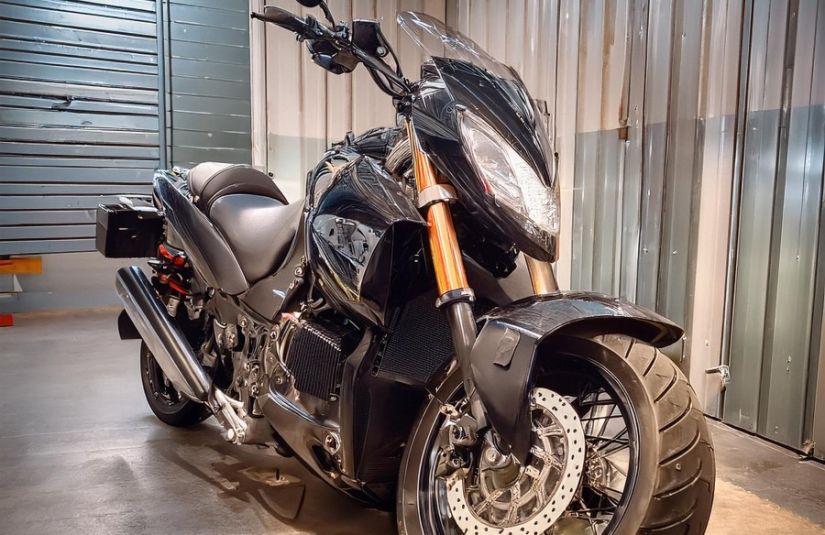


Best practices when storing motorcycles in storage
Proper Motorcycle Storage Helps Protect Your Bike and Gear
Storing a motorcycle the right way can help preserve its condition while it sits unused. It can also help protect your helmet, jacket, gloves, and other riding gear so everything is in better shape when you are ready to ride again. Because storage steps can vary by model, it is smart to review your owner’s manual before storing the bike for an extended period.
Why You Should Prepare Your Bike Before Storage
Preparation matters because small issues can get worse while a motorcycle sits. Dirt, road grime, and moisture left on the bike can contribute to corrosion or finish damage over time, which is why a thorough wash and complete drying are good first steps before storage.
Oil and fuel also deserve attention before long-term storage. Harley-Davidson’s winter storage guidance recommends filling the tank and adding fuel stabilizer rather than draining it, while Honda manuals recommend changing the engine oil and filter, confirming coolant levels where applicable, adding stabilizer, and running the engine so treated fuel circulates through the system.
Taking care of those basics before storage can help reduce avoidable problems later. A clean bike, fresh oil, stabilized fuel, and a quick check for leaks or fluid issues can make spring startup much easier.
What Is the Best Way to Store a Motorcycle?
A motorcycle is usually best stored indoors in a cool, dry place. Indoor storage gives the bike more protection from moisture, direct sunlight, and changing weather conditions that can affect paint, metal, rubber, and exposed components.
Once the motorcycle is clean and dry, a breathable cover is a better choice than a plastic tarp. A proper cover helps keep dust off the bike while reducing the chance of trapping moisture against the surfaces underneath.
Protecting the Battery and Fuel System
Battery care is one of the most important parts of long-term motorcycle storage. Harley-Davidson’s insurance resource notes that if you are concerned about battery condition during off-season storage, removing the battery and keeping it on a battery tender indoors is a strong option.
Fuel can also deteriorate during storage if it is left untreated. Official Honda guidance recommends adding a fuel stabilizer and filling the tank, and Honda’s engine manuals explain that a partially filled tank leaves more air space that can promote fuel deterioration during storage.
Tire Protection During Storage
Tires should be checked and inflated to the recommended pressure before the bike is stored. Many riders also use a center stand or paddock stand to reduce prolonged weight on the tires during long storage periods. Even when a stand is not available, avoiding long-term neglect of tire pressure is still important. This is a common best practice in manufacturer and rider storage guidance because it helps reduce unnecessary strain while the motorcycle sits.
Security Still Matters
If the motorcycle is being stored away from home, security should be part of the plan. Gated access, cameras, and good lighting can help at the facility level, but it also makes sense to protect the bike itself with a quality lock or chain so it is harder to move or remove.
It is also worth checking your insurance before storage begins. Comprehensive coverage may help protect against theft and certain non-collision losses while the bike is off the road, depending on the policy.
Best Practices for Storing Motorcycle Gear
Motorcycle gear should be stored clean and fully dry. Leather apparel benefits from being hung on a sturdy hanger in a dry, well-ventilated place, and Dainese specifically advises against storing leather in damp places or in direct sunlight for extended periods.
Helmets also need careful storage. SHOEI’s safety guidance says the helmet liner should not be exposed to strong sunlight or excessive heat, and its manuals note that heat can damage helmet parts. For storage, keeping helmets dry, clean, and away from heat sources is the safer approach.
Check on the Motorcycle During Long-Term Storage
If the bike will stay stored for a long time, it helps to check on it from time to time. Look for signs of moisture, battery issues, or anything unusual in the storage area. A quick inspection during storage can help you catch small problems before they become expensive repairs.
Final Thoughts
Proper motorcycle storage is about more than parking the bike and walking away. Cleaning it, protecting the fuel system, caring for the battery, keeping the tires in mind, and storing gear correctly can all help preserve condition while the motorcycle is not in use. With the right setup, storage can help reduce avoidable wear and keep both the motorcycle and your riding gear in better shape for the next riding season.


